
Have you ever been in environments like bars, restaurants, or sports clubs where people are welcoming and where it’s easier to mingle? Conversely, have you experienced places where it’s difficult to make new acquaintances?
In this series of posts I will firstly make the claim that design and architecture are largely responsible for the “friendly” or “unfriendly” behavior of people and that our physical surroundings are, either accidentally or deliberately, plagued by architectures that make people unfriendly, unhappy and isolated. I will present the physical characteristics of such places, across different industries and scales. But before diving into these points, I would like you to introduce a brief definition and two simple examples of what I mean by pro-social and anti-social architectures.
PRO-SOCIAL and ANTI-SOCIAL ARCHITECTURES: A DEFINITION
We will call pro-social architectures those patterns that predictably allow and even promote pleasant, desirable or constructive interactions among people. We will call anti-social architectures those patterns that inhibit or even make it impossible for people to engage in certain pleasant, desirable or constructive interactions.
I will now show to you some simple examples of such architectures.
CASE 1: PARK DESIGN AND CHILDREN´S SOCIAL BEHAVIOR
An extremely simple example of a pro-social architecture is a grassy area such as a park or a garden that is relatively flat. Such a surface allows and even promotes children´s play and participation in sports. Conversely, such a relatively simple surface can be transformed into an antisocial architecture that inhibits and even makes children´s play impossible via the simple design decision of making it not flat (anti-social architecture). Examples below.
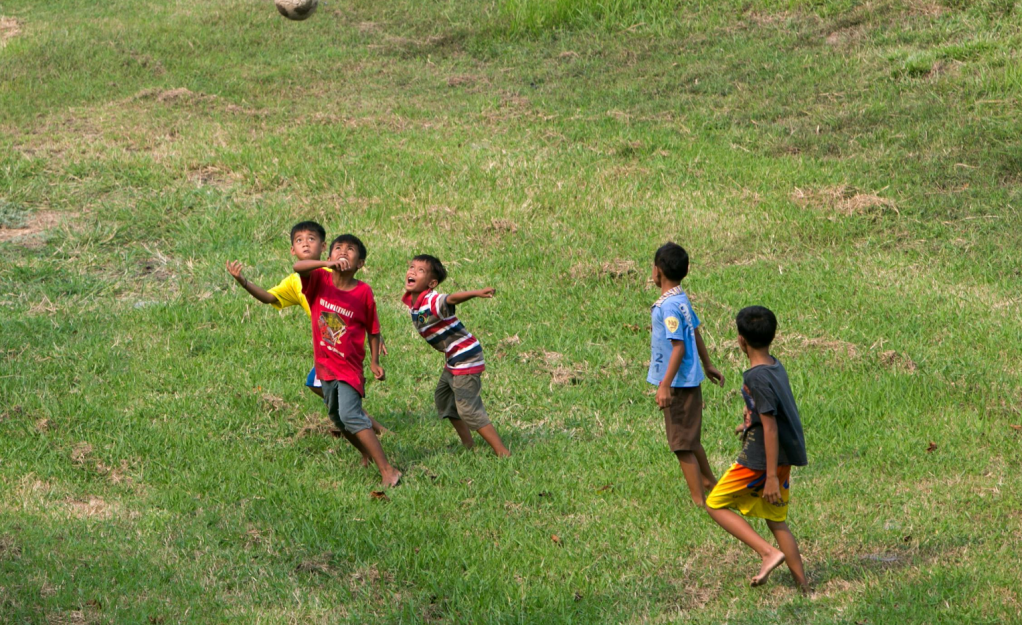
Fig. 1: PRO SOCIAL ARCHITECTURE This humble grassy, relatively flat surface allows1 for a social behavior to happen (play). By simply drawing a white rectangle on the surface it could actively promote the prosocial behavior of playing a sport such as soccer. Additionally, flat, grassy surfaces also allow for social behaviors such as the organization of a barbecue or a kermesse.


FIGS 2 and 3: ANTI-SOCIAL ARCHITECTURE This fancily designed European park (across from which I lived for several months) is an example of antisocial architecture for it inhibits and even makes impossible a number of social behaviors to happen. The design in different elevations and especially the green mound in figure 3 inhibits children´s play and downright makes it impossible for children to play soccer or other games that require a flat surface. Deliberate or accidental? I suspect the former.
CASE 2: CHAIRS AND TABLE HEIGHT IN ADULT SOCIAL BEHAVIOR.
Another relatively lighthearted example of how a simple design decision that has a huge impact on how people interact is simply chair height, especially in events whose purpose is to mingle and be friendly, such as networking events or dance parties. A general rule of thumb is that the higher the chairs and tables on a venue, the higher the probability that two people will interact. Let´s take a look at some examples:

Fig 4: Prosocial architecture for mingling: High Tables/High Chairs
The high table and high chair combination is the most prosocial combination for it allows people who are standing to chat on eye-level who are sitting. It also allows for a smoother transition between sitting and standing and moving around, which promotes chatting with different people. Undoubtedly one of the most frustrating experiences that one could have in a networking event is being stuck in an anti social table/chair setup as you will see now:
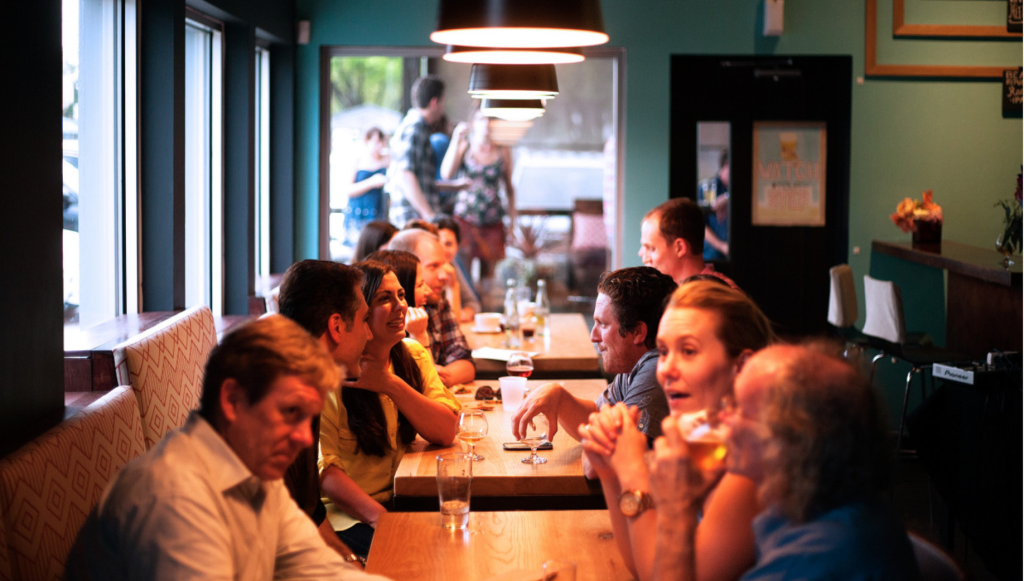
Fig 5: Antisocial architecture for mingling: Low table/low chair
Most “networking” or mingling events I have attended have the unfortunate configuration of low tables and low chairs. If you look at the image above such configuration greatly inhibits people from mingling; one is stuck in place unless one stands up, excuses oneself and joins another table. Such a new table cannot be joined seamlessly unless there is an available chair. In the particular egregious case in the image, the person stuck in the middle of the row by the window has to ask everyone around him to move and let him pass. Line-of-sight conversations between someone standing up and someone sitting down are also made awkward – either one of the persons has to stand up or the other has to sit down.


Fig 5 and 6 : Extremely antisocial architecture for mingling: The ultra low beach chair
The most egregious example I have observed is the unfortunate decision of using beach chairs in venues that host dancing events, which are ultimately mingling events. This configuration is painfully present in Europe during the summer. The beach chairs might look “summery” but they are a catastrophe for mingling and dancing. First of all, the great comfort and almost laying-down sitting position provided by such chairs actively discourages dancing (why would you stand up if you are so comfortable?). Secondly, inviting a person to dance is made awkward since in there is no eye-to-eye line of sight between the person standing up and the ones sitting down; instead there is an awkward eye-to-crotch line of sight that doesn´t make for very comfortable chatter as you can imagine and which actively discourages speaking with other people. Thirdly, getting out of the beach chair is difficult and involves helping the very comfortable person stand up and dance. Lastly, at the end of the dance, the lady will have a tendency to return to her spot eventually; any lengthy conversation will involve either standing up next to her (with no table to put drinks on) or for the two people to lay down next to each other on the beach chairs (if there are any available) which is also awkard especially for 2 people who have just met.
Now, these topics might appear banal, even shallow, but in the next post we will see how the world is, more than ever, in need of well-designed pro social architectures, with the examples of the current loneliness crisis and obesity crisis.
 Rodrigo Serrano