
As we saw in the previous post Pro-social and anti-social architectures pt 1: An introduction of how simple design decisions impact behavior many people are experiencing difficulties derived from loneliness. I made the point that pro social design can help people reliably engage in “friendly behaviors” while anti-social design decisions can make it impossible for people to connect.

In this post I will present a relatively light-hearted example of antisocial design decisions, which as you will see can completely transform the possibility of interactions among people. I will present the personal example of “The Alsace” (fake name, so as not to damage its reputation), a fancy French bar I used to go to in the affluent city of Puteaux, France.
A good friend from the local tennis club and I used to visit the Alsace around once a month. The music was excellent, and we enjoyed each other’s company. However, for the 2 or so years we frequented the place, I can remember having the possibility of interacting with other people in the restaurant a maximum of 5 times. As an immigrant in a new country and a relatively chatty person, I can say that this was a disappointing experience, for this café did not help me integrate in any way with other neighbors. I will now present to you the claim that the Alsace had certain architectural characteristics that either inhibited or made impossible for people in this venue to interact and be friendly with each other. Here is my analysis of such antisocial architectures.
ANTISOCIAL DESIGN DECISION 1: THE ANTISOCIAL FACADE

The first antisocial design decision that hindered any possibility for human interaction in “The Alsace” was the reflective glass facade. In the inside, there were no seats next to the window, which eliminated the social possibility (affordance) of “seeing and be seen” that many cafés and restaurants do provide. Gone indeed was the possibility of people watching, or to simply sit down and become oneself part of the decor of the street.
Compare the nonexistent possibilities of interaction of the Alsace facade above with another design choice that other french cafés do have, which is allowing for outside sitting.
DO THIS INSTEAD!
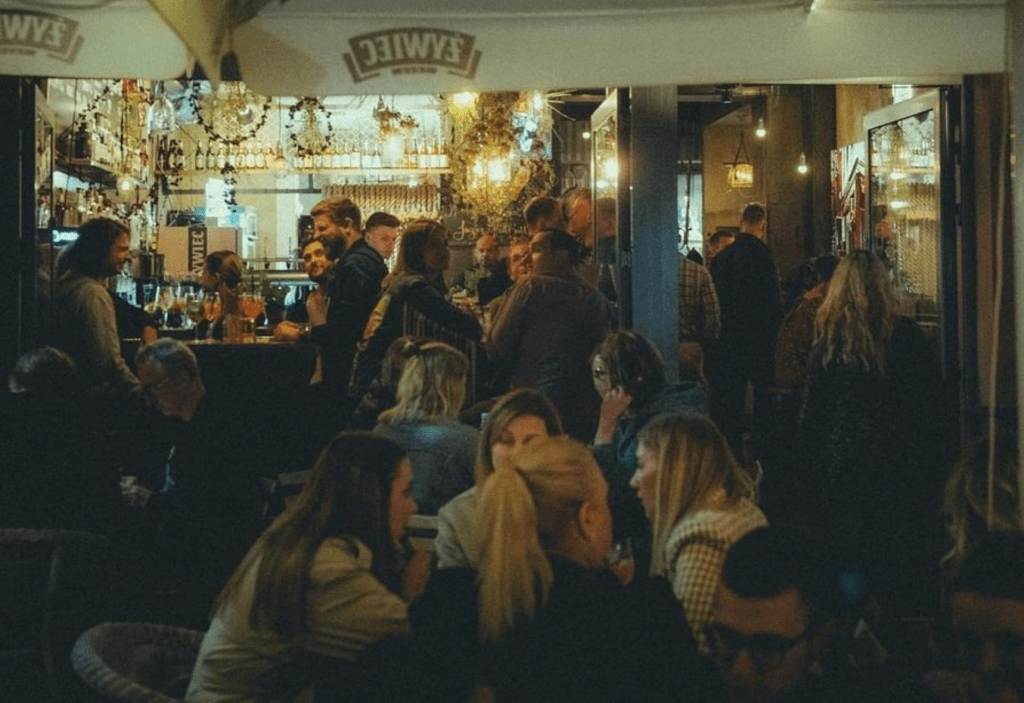
People enjoy people watching and being watched themselves. Sitting on the terrace of a café It is a sort of low-intimacy, casual way in which people in a community, even strangers, keep company to each other. If you are going to design the facade of a restaurant that allows people to experience pleasurable social interactions (a pro-social architecture) , you want t allow people to be present in their neighborhood by sitting at the terrace. Even in cold weather, floor to ceiling windows can allow people to be part of the street even through a glass.
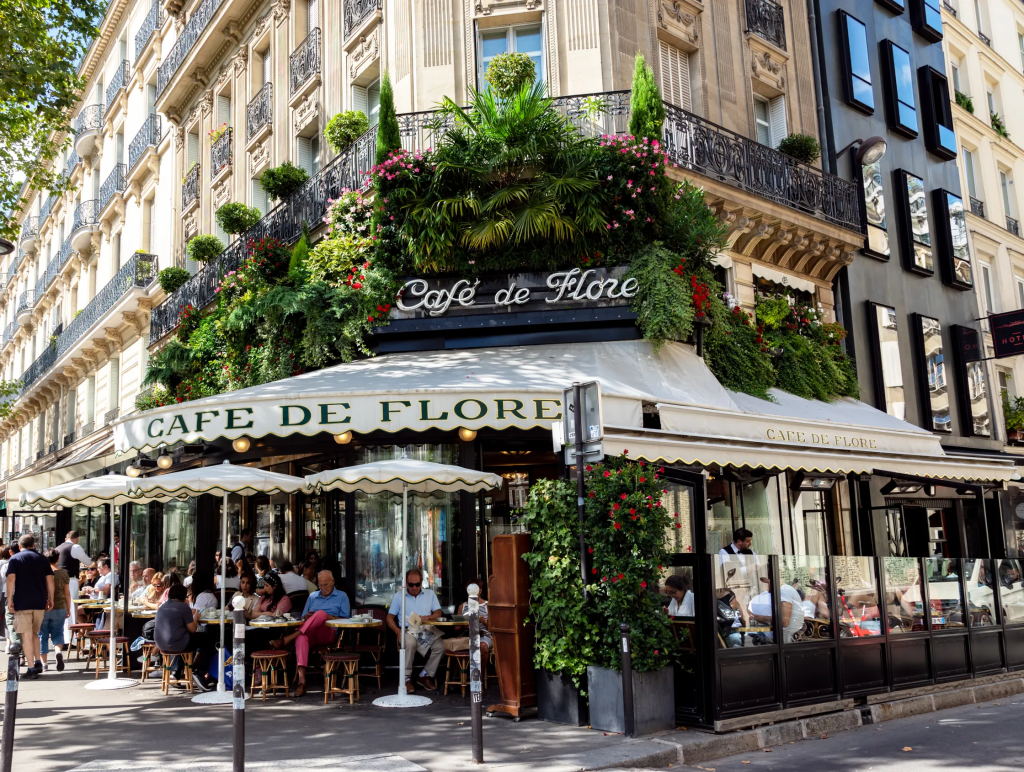
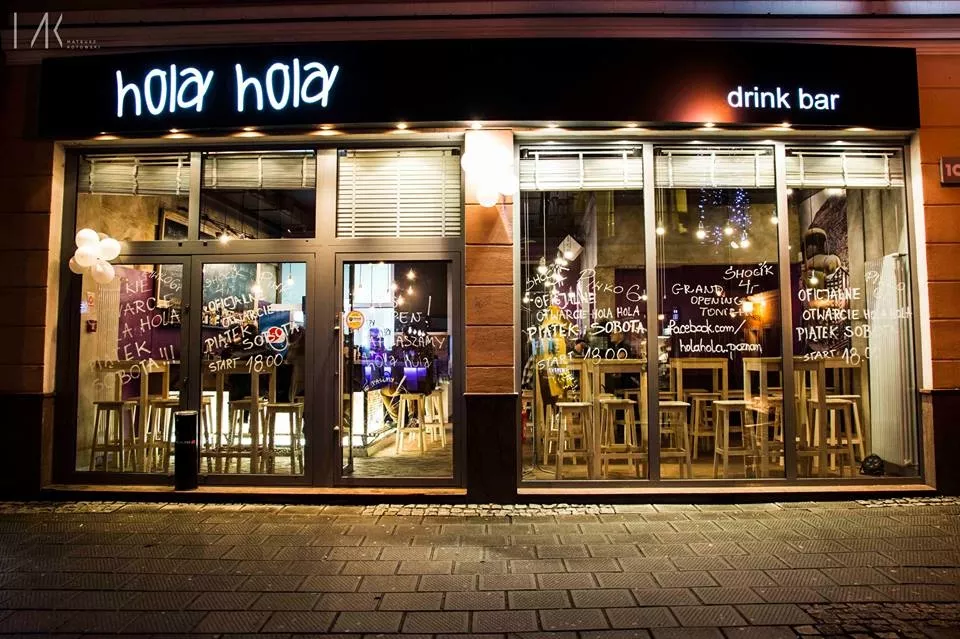

The 3 Pro-social examples above allow for the serendipitous and pleasurable social possibilities (social affordances in the design lingo) of “people watching“, “seeing and being seen” and “running into your friends“, three possibilities negated by sterile facade of “The Alsace”
ANTISOCIAL DESIGN DECISION 2: THE ANTISOCIAL BAR

My tennis friend and I spent several hours sitting on chairs identical to the ones above. As you will see in a future post, I love high chairs and consider them to be examples of prosocial architecture. However, even if this bar does feature high chairs, my tennis friend and I failed to consistently meet anyone (even if he arguably looks like Vincent Cassell). Let´s analyze what might be wrong with this seemingly great bar(social anti-affordances).
Firstly, (attention here, for it is subtle), while the backs and the ergonomic sides of the orange high seats do allow for (afford) sitting relatively comfortably, they do not afford (anti-affordance) to comfortably turn around (to pivot) to talk to the person next to you without awkardly standing up and moving the whole, heavy chair. They are designed for you to comfortably look in front of you and nowhere else. (default antisocial position).
Contrarily to these heavy chairs, the cheap and simpler round standard bar stool does afford the person turning around, picking it up, and the interesting pro social affordance of being slightly uncomfortable, which pushes you from the antisocial default position of sitting (low serendipity) to the prosocial position of standing.
Secondly,
the spacing among them is quite big, but *not* big enough to allow for the social possibility (social affordance) of a person fitting comfortably between them. As such, all potential conversations lie solely among direct neighbors and any person sitting for example on the fourth chair on the right could not possibby talk to the person on the first chair on the right without disturbing weirdly the person on the second chair. Secondly, the back rests of the chair are way too comfortable, which makes people slightly more unmotivated to move. Thirdly and most importantly, this being a bar restaurant with waiters serving the tables behind, the magical serendipity of a stranger approaching the bar for a drink was eliminated. Once you sat on one of those stools, you were stuck with the strangers around you for the night.
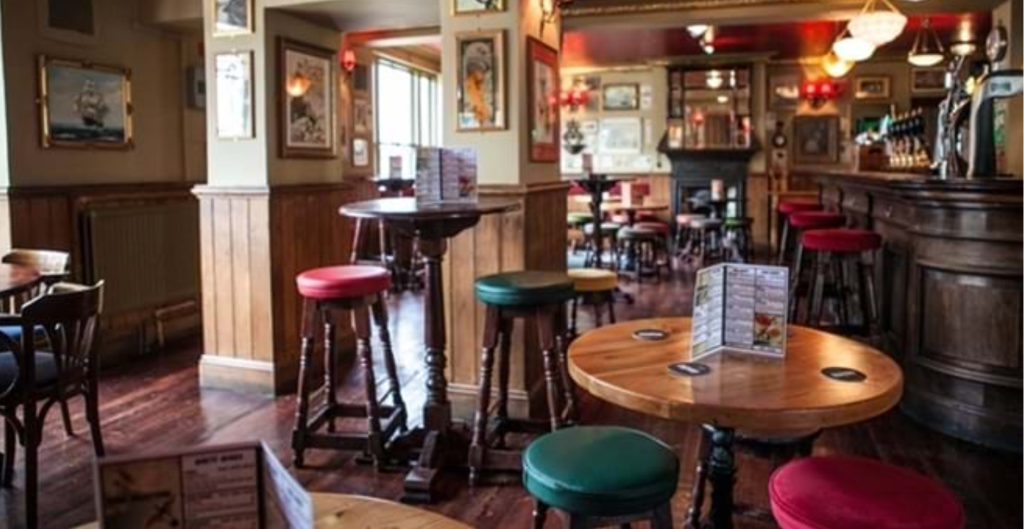
DO THIS INSTEAD: One of the most interesting elements of pro social places is the ability to exploit the serendipity of “ordering at the bar” as a form of both fun and danger. Even in the line at Starbucks the patrons have a chance to at least quickly acknowledge each other, even interact with each other while staring together at the menu. As a designer of prosocial, fun spaces, you want to get rid of the waiters and have people experience the fun of walking to the bar and maybe, just maybe, getting to know someone else, which adds a nice variation to domestic life

The archetipal English bar is a staple of prosocial architecture. Here people from different walks of life and different social classes can enjoy a drink in each other´s company or at least the barman. It can be argued that the existence of such places can create a community, breaking the ice among people through the lubricity of alcohol and one of my favorite elements of prosocial architecture which are drop in games such as foosball or table tennis.
 Rodrigo Serrano